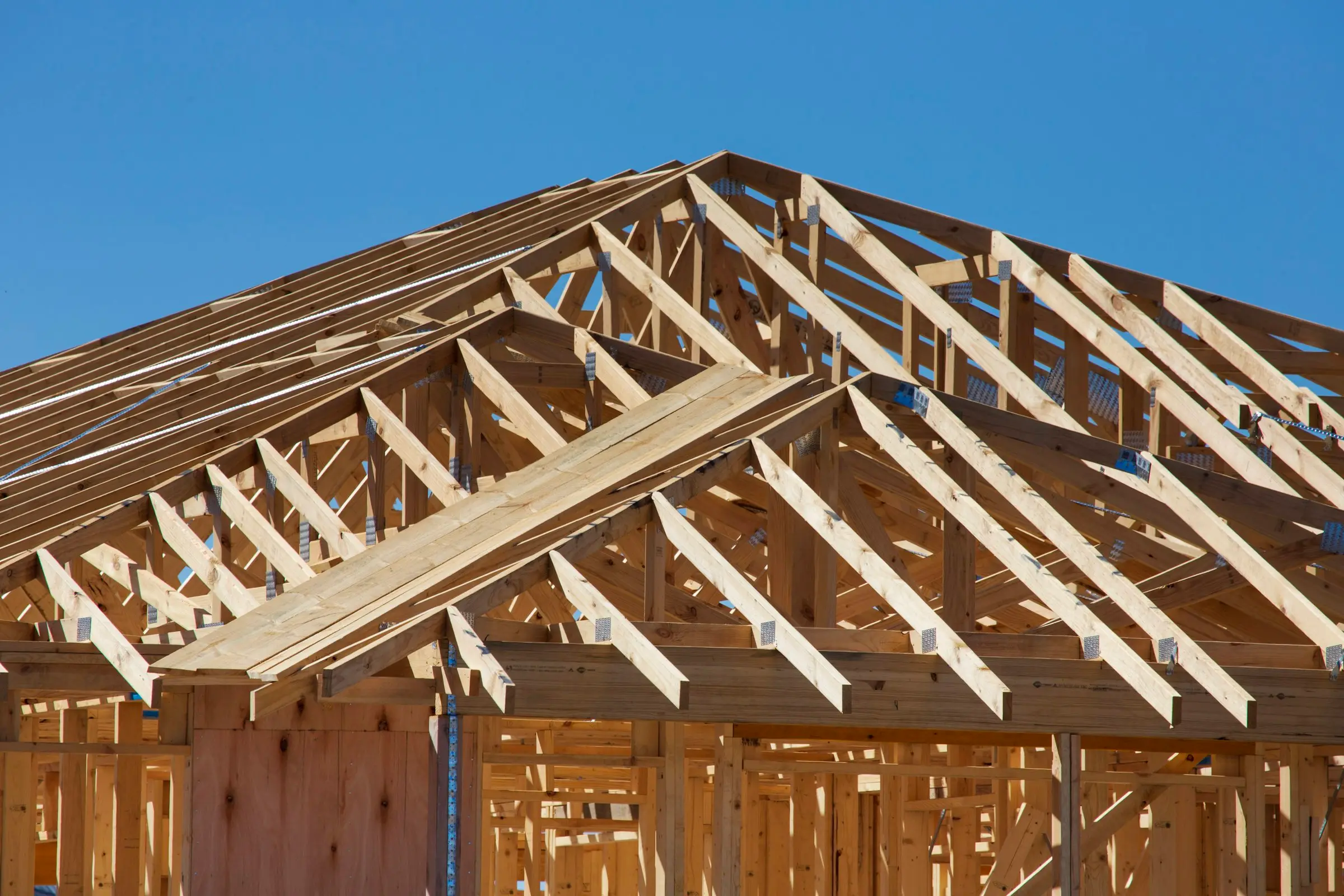
Spray Foam Insulation: Costs, Types & Homeowner Guide
Understand your options. Estimate your costs. Choose the right insulation for your home, and find spray foam contractors near you.
- Checked on their websiteServices shown are ones each contractor lists
- No paid placementNobody pays to rank higher
- Nationwide coverageHomes, shops, barns and new builds
- Built for property ownersWritten for owners, not contractors
What is spray foam insulation?
Spray foam insulation is a polyurethane material that expands when applied, helping reduce heat transfer and seal unwanted air leaks. It comes in two main forms, open-cell and closed-cell, with different costs, R-values and moisture characteristics.
Is it worth the money? Sometimes. Spray foam can be a strong choice for hard-to-seal framing, some roofline assemblies and areas with limited insulation depth. But for a conventional vented attic, air sealing plus fiberglass or cellulose can often meet the same goal for less.
Spray Foam Guide helps you compare what to insulate, which material suits the job and what a complete installation should cost, before you agree to a contractor's quote.
Calculate my spray foam cost Find spray foam contractors
US homeowner information · Published pricing explained by measurement and thickness · Technical guidance from DOE and EPA resources
What do you want to know about spray foam?
Choose the starting point that fits your project.
How much will it cost?
See 2026 installed pricing, understand board feet and check what a contractor's estimate should include.
Explore spray foam costsOpen-cell or closed-cell?
Compare R-value per inch, vapor permeability, thickness, relative price and the right applications.
Compare foam typesInsulating an attic?
Find out whether your insulation belongs on the attic floor or against the roof deck, and what that changes.
Explore attic insulationLooking for an installer?
Find spray foam contractors near you, then learn how to check experience and compare written bids.
Find spray foam contractorsConcerned about health or safety?
Review chemical exposure during installation, curing, ventilation and the questions to ask before spraying starts.
Read the safety guideConsidering doing it yourself?
Understand the difference between a gap-filling can, a two-component kit and professional spray foam.
See the DIY guide
Find a contractor by service
We read each contractor's website and record which spray foam work it describes.
Spray foam insulation guide
How much does spray foam insulation cost in 2026?
Installed spray foam prices depend on the foam type, the actual surface area being treated and how thick the insulation must be. Contractors commonly calculate the material quantity in board feet, not simply the floor area of the house.
| Foam type | Broad US installed price per board foot |
|---|---|
| Open-cell spray foam | $0.60–$1.60[1][2] |
| Closed-cell spray foam | $1.30–$3.10[1][2] |
National planning ranges from Angi and HomeAdvisor, not guaranteed local rates or equivalent-performance quotes.
One board foot = one square foot of insulation at one inch thick.
For example, an installation covering 1,000 square feet at two inches requires 2,000 theoretical board feet. At the published closed-cell rates above, the calculated installed foam charge is $2,600–$6,200 before any separately charged work.
That two-inch depth is an illustration, not a universal code-compliant specification. Site access, repairs, removal of old insulation, protective finishes and contractor minimum charges can all change the final quote.
Use the spray foam cost calculator →
More ways to understand pricing: cost per square foot · cost per board foot · open-cell cost · closed-cell cost.
Open-cell vs closed-cell spray foam: what’s the difference?
Both types insulate and, at suitable installed thicknesses with continuous detailing, can form part of an air barrier. But they are not interchangeable.
| Feature | Open-cell foam | Closed-cell foam |
|---|---|---|
| Typical R-value per inch | About R-3.6 to R-4.5[3] | About R-5.8 to R-6.9[3] |
| Structure | Lighter, softer | Denser, more rigid |
| Water-vapor permeability | Generally higher | Generally lower |
| Depth for a similar R-value | Usually greater | Usually less |
| Price per board foot | Typically lower | Typically higher |
| Best evaluated for | Suitable framed cavities and approved attic or wall assemblies | Space-constrained cavities, rim joists and certain moisture-control assemblies |
Actual R-value, vapor behavior and permitted applications depend on the named product, thickness and complete assembly.
Open-cell spray foam
Open-cell foam expands into irregular cavities and usually costs less per board foot. It can suit some exterior walls and attic designs where the climate and the wall or roof assembly can handle its vapor permeability. Open-cell spray foam guide →
Closed-cell spray foam
Closed-cell foam provides more R-value per inch and has lower vapor permeability. It is often worth evaluating around rim joists, limited-depth framing and selected foundation or metal-building applications. Closed-cell foam is not a substitute for roof or foundation waterproofing; water leaks must be repaired separately. Closed-cell spray foam guide →
Not sure which to choose? Start with our open-cell vs closed-cell comparison and, for deeper specifications, 2 lb vs 0.5 lb spray foam.
Where can spray foam insulation be used?
The right material and placement depend on whether you’re insulating a roof, a framed wall, a foundation or a small air-leakage detail.
Attics and roof decks. A vented attic normally keeps insulation at the ceiling or attic floor, where foam is often used as an air-sealing layer under added insulation.[4] An unvented attic moves the thermal boundary to the roofline and needs a complete condensation and humidity-control design. Neither approach is right for every home. Attic insulation · Roof-deck spray foam · Vented vs unvented attics
Exterior walls. Spray foam can fill exposed framing cavities and reduce air leakage. Existing finished walls may need opening; advertised injection-foam systems use different products and methods. Spray foam for exterior walls
Crawl spaces. A vented crawl space generally insulates the floor above, while a sealed crawl space commonly insulates the perimeter walls. Ground vapor, drainage and humidity control still matter. Crawl space spray foam
Basement walls. Closed-cell foam can be useful against suitable interior foundation walls, but only after water-entry and dampness problems have been fixed. Properly detailed rigid foam is another option worth pricing. Basement wall insulation
Rim joists. Perimeter framing joints are common air-leakage points. Spray foam can seal the rim board, sill plate and subfloor transitions; sealed rigid board can also work. Spray foam rim joists
Barndominiums and metal buildings. Metal panels and steel framing bring condensation and thermal-bridging challenges. Foam selection must fit the full roof and wall assembly, not just the advertised R-value. Barndominium spray foam guide
Is spray foam better than traditional insulation?
Not always. Spray foam’s main advantage is that it can combine insulation and air sealing in one installed layer. Traditional insulation often costs less and performs well when a separate air barrier is correctly installed.
| Alternative | When it may be the better value |
|---|---|
| Fiberglass | Accessible attic floors and regular framing with good air sealing |
| Blown-in insulation | Adding attic R-value economically after sealing ceiling leaks |
| Cellulose | Vented attic floors and certain dense-pack existing-wall retrofits |
| Mineral wool | Acoustic partitions and designs that need non-combustible insulation |
For conventional vented attics, price air sealing plus blown fiberglass or cellulose before automatically paying for roofline spray foam. For complicated rim joists or some engineered roof assemblies, the foam premium may be justified.
Compare the options: spray foam vs fiberglass · spray foam vs blown-in · spray foam vs cellulose · spray foam vs mineral wool.
What are the advantages and disadvantages of spray foam?
Potential benefits
- Air sealing: properly applied foam can reduce leakage at framing joints and irregular cavities.
- Thermal resistance: closed-cell products provide relatively high R-value in limited space.
- Coverage: spray application can reach awkward areas that are hard to fill with batts.
- Comfort: appropriate insulation and air sealing can help reduce drafts and unwanted heat flow.
Important drawbacks
- Higher upfront cost: conventional insulation may be better value for straightforward projects.
- Installation sensitivity: incorrect mixing, adhesion, coverage or thickness can lead to defects.
- Moisture risk: poorly designed roof, wall or foundation assemblies can hide water damage or restrict drying.
- Chemical exposure during application: occupants and unprotected workers must be kept out according to product-specific safety procedures.
- Difficult removal: adhered foam can complicate future repairs to sheathing, framing or services.
Spray foam should not be sold as a universal waterproofing, mold-prevention or guaranteed energy-savings solution. Common spray foam problems →
Is spray foam insulation safe?
Professional two-component spray polyurethane foam uses reactive chemicals during installation. The EPA advises worker protection, isolation of the spray zone, ventilation, cleaning and product-specific curing and re-entry arrangements.[5][6]
There is no universal safe re-entry time for every formulation and building.[5] The exact product and site conditions matter. Correctly installed, fully cured foam is generally considered relatively inert, but persistent unusual odors, symptoms or suspected installation defects warrant investigation.
Before approving any project, ask for the foam manufacturer’s technical and safety data, the installer’s written protection plan and the applicable fire-protection details.
Is spray foam safe? · Spray foam off-gassing · Spray foam and mold
How to find the right spray foam contractor
A good contractor should be able to explain why foam is appropriate for your building, not simply quote the maximum thickness. Before hiring, check that the proposal answers these questions:
- Where is the insulation boundary? Attic floor, roof deck, wall, rim joist or foundation?
- Which foam will be installed? Ask for the exact manufacturer and product data.
- How much foam is required? Confirm measured surface area, minimum installed depth and R-value.
- How will moisture be managed? Leaks, drainage, condensation and drying paths must be considered.
- How are occupants protected? Get the worksite isolation, ventilation and re-entry arrangements in writing.
- What does the price include? Check surface preparation, fire protection, minimum charges, cleanup and repairs.
Check local licensing where required, insurance, installer qualifications and relevant project references. Compare at least two complete bids based on the same intended building performance.
How to choose a spray foam contractor → · 25 questions to ask before hiring →
Looking for local installers? Browse spray foam contractors by state. Each listing shows the spray foam work the company describes on its own website; confirm availability, licensing and credentials directly.
Make the right insulation decision before you buy
The most expensive spray foam mistake is choosing the material before diagnosing the building. Start by identifying the surface you need to insulate, how air and moisture move through that assembly, and what the finished job must deliver. Then calculate a realistic scope and compare qualified contractors.
Our price illustrations multiply measured treated area by foam depth in inches to get theoretical board feet, then apply a published installed price range. They are planning calculations, not live quotes. Product requirements, local building codes, climate and contractor availability vary; our guides are not a substitute for an on-site evaluation or a qualified assembly design.
Frequently asked questions about spray foam insulation
How much does spray foam insulation cost?
Angi and HomeAdvisor's national installed ranges are about $0.60 to $1.60 per board foot for open-cell and $1.30 to $3.10 for closed-cell. The actual price depends on thickness, surface area, access, local labor and preparation. Use our cost calculator for an estimate.
Is spray foam insulation worth it?
It can be when air sealing, limited cavity depth or a specific roof or wall design justifies the higher cost. Where fiberglass or cellulose plus correct air sealing achieves the same goal for less, foam may not be the best financial choice.
What's better: open-cell or closed-cell spray foam?
Neither is universally better. Open-cell is often cheaper per board foot and more vapor-permeable; closed-cell usually has higher R-value per inch and lower vapor permeability. The wall or roof design determines the right option.
How much R-value does spray foam have?
The Spray Polyurethane Foam Alliance gives typical values of about R-3.6 to R-4.5 per inch for open-cell and R-5.8 to R-6.9 per inch for closed-cell. The exact value depends on the product, and code compliance depends on the whole assembly.
Can spray foam be used in an existing home?
Yes, in suitable accessible locations. Finished walls may need to be opened for conventional sprayed foam, and an existing roof, basement or crawl space needs checking for moisture and other conditions before installation.
Is DIY spray foam insulation a good idea?
Small, product-appropriate air-sealing repairs are different from large two-component spray foam installations. Whole-house and roofline jobs carry chemical safety and building-design risks that usually favor trained installers.
Can spray foam cause mold or moisture problems?
An incorrect assembly can restrict drying or hide wet wood, but foam does not cause a roof leak on its own. Repair water intrusion and settle on a moisture-control strategy before spraying.
How do I compare spray foam contractors near me?
Request comparable written scopes and check product data, installer experience, insurance, any required licensing, safety plans, thickness measurements and warranties. Don't choose on advertised rankings or headline prices alone.
Pricing sources and technical references
- How Much Does Spray Foam Insulation Cost?, Angi. Accessed October 19, 2026. National consumer cost guide; installed price per board foot. No update date shown.
- How Much Does Spray Foam Insulation Cost?, HomeAdvisor. Accessed October 19, 2026. Updated June 17, 2026. Installed price per board foot; national ranges, not quotes.
- Frequently Asked Questions, Spray Polyurethane Foam Alliance (SPFA). Accessed October 19, 2026. Industry trade association. Typical R-value per inch for open-cell and closed-cell foam.
- Spray Foam Insulation Applied to Existing Attic Floor, U.S. Department of Energy, Building America Solution Center. Accessed October 19, 2026. Air sealing, attic ventilation, insulation layers and existing-condition checks.
- Vacate and Safe Re-Entry Time for Spray Polyurethane Foam Application, U.S. Environmental Protection Agency (archived). Accessed October 19, 2026. Last updated September 2, 2020; archived EPA page.
- Safer Workplace Practices for Spray Polyurethane Foam Installation, U.S. Environmental Protection Agency (archived). Accessed October 19, 2026. Last updated November 5, 2020; archived EPA page.
Spray foam insulation guides
Every figure names its source and the date we checked it.
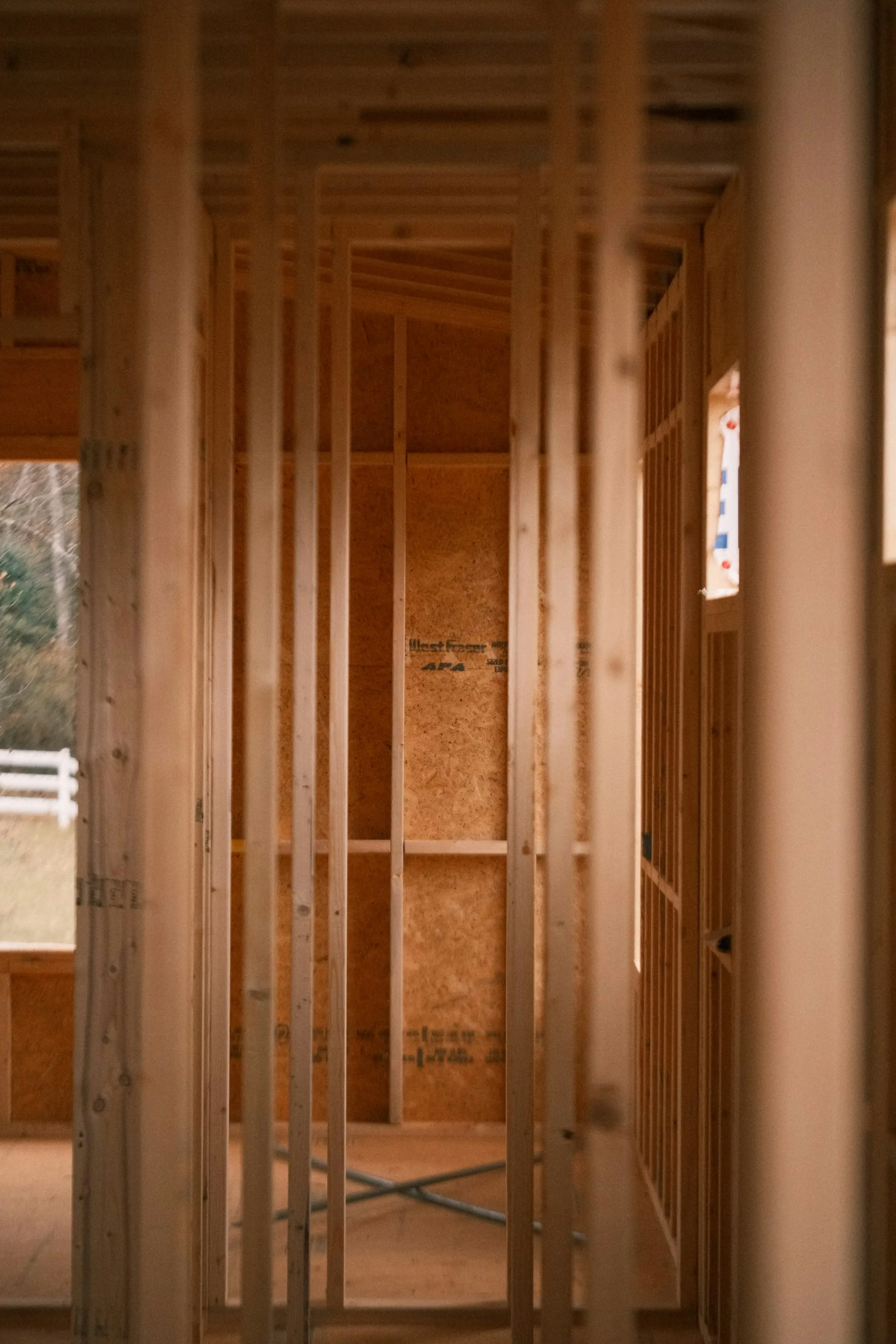
Foam types
Open-cell and closed-cell spray foam, what density means, and how to read a product data sheet.

Costs & calculator
Published national cost ranges with their sources, how contractors price by the board foot, and an estimate calculator.
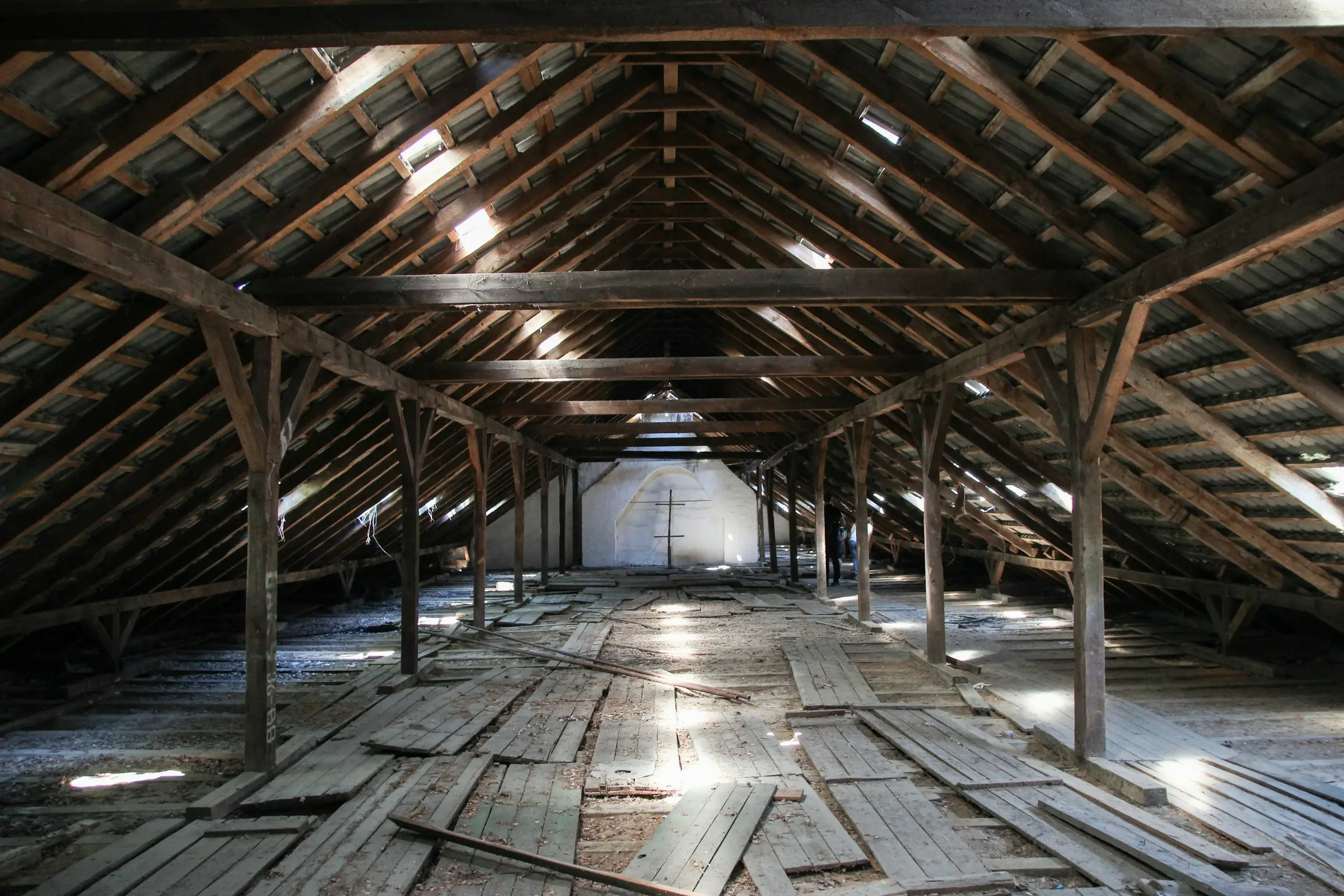
Where spray foam goes
Attics and roof decks, crawl spaces, basement walls, rim joists, exterior walls and barndominiums.
Spray foam vs other insulation
How spray foam compares with fiberglass, blown-in, cellulose and mineral wool, and when the other material wins.
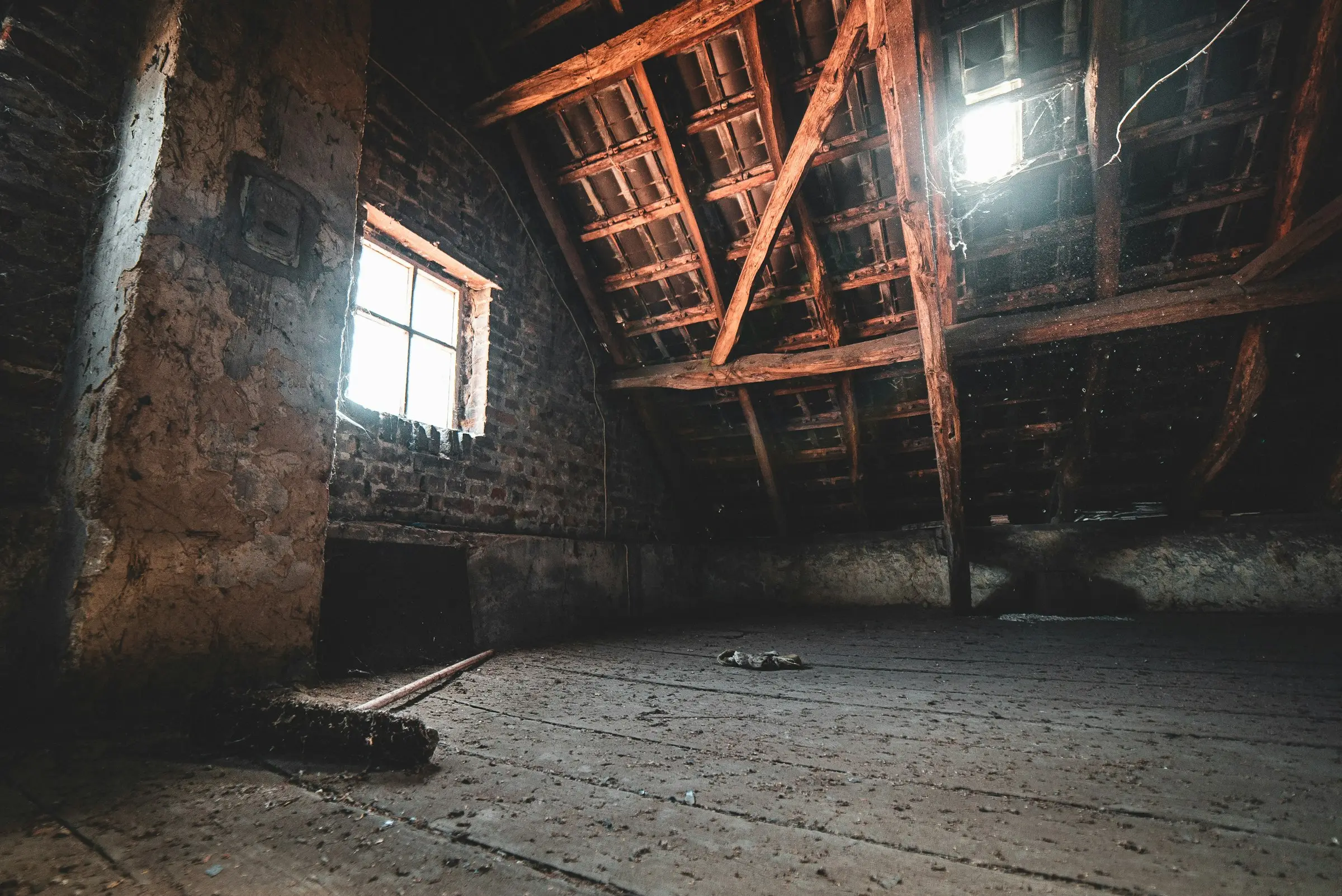
Problems & safety
Off-gassing, odor, mold and moisture, installation defects, and what the EPA and OSHA say about safety.

DIY spray foam
What DIY kits can and cannot do, and when to hire a professional.

Hiring a contractor
How to choose a spray foam contractor and the questions to ask before you sign.
Codes & technical
The building code sections that apply to spray foam: thermal and ignition barriers, unvented attics and crawl spaces.
Find contractors in your area
1,527 spray foam contractors across 40 states, each one's website checked for the services it offers, with state licenses matched where available. Nobody pays for placement.
Search by locationPopular places to start
Cities with the most listings.
Houston, TX
20 spray foam contractors listed in Houston, Texas
View listingsTampa, FL
15 spray foam contractors listed in Tampa, Florida
View listingsSan Diego, CA
12 spray foam contractors listed in San Diego, California
View listingsCharlotte, NC
13 spray foam contractors listed in Charlotte, North Carolina
View listings
- 1,527 contractorsEach website checked for spray foam work
- 102 with a state licenseMatched in official licensing data
- 40 states coveredHomes, shops, barns and new builds
- IndependentNo contractor pay-to-play
Not sure where to start?
Tell us about the building and what you want to insulate. A person reads every request and replies with next steps.